

SamsungGalaxyS25UltraCameraReview:30Days,3Countries,2000Photos
We spent 30 days and 3 countries testing the Galaxy S25 Ultra camera. Here's our definitive verdict on Samsung's most capable camera phone — no sponsored fluff.

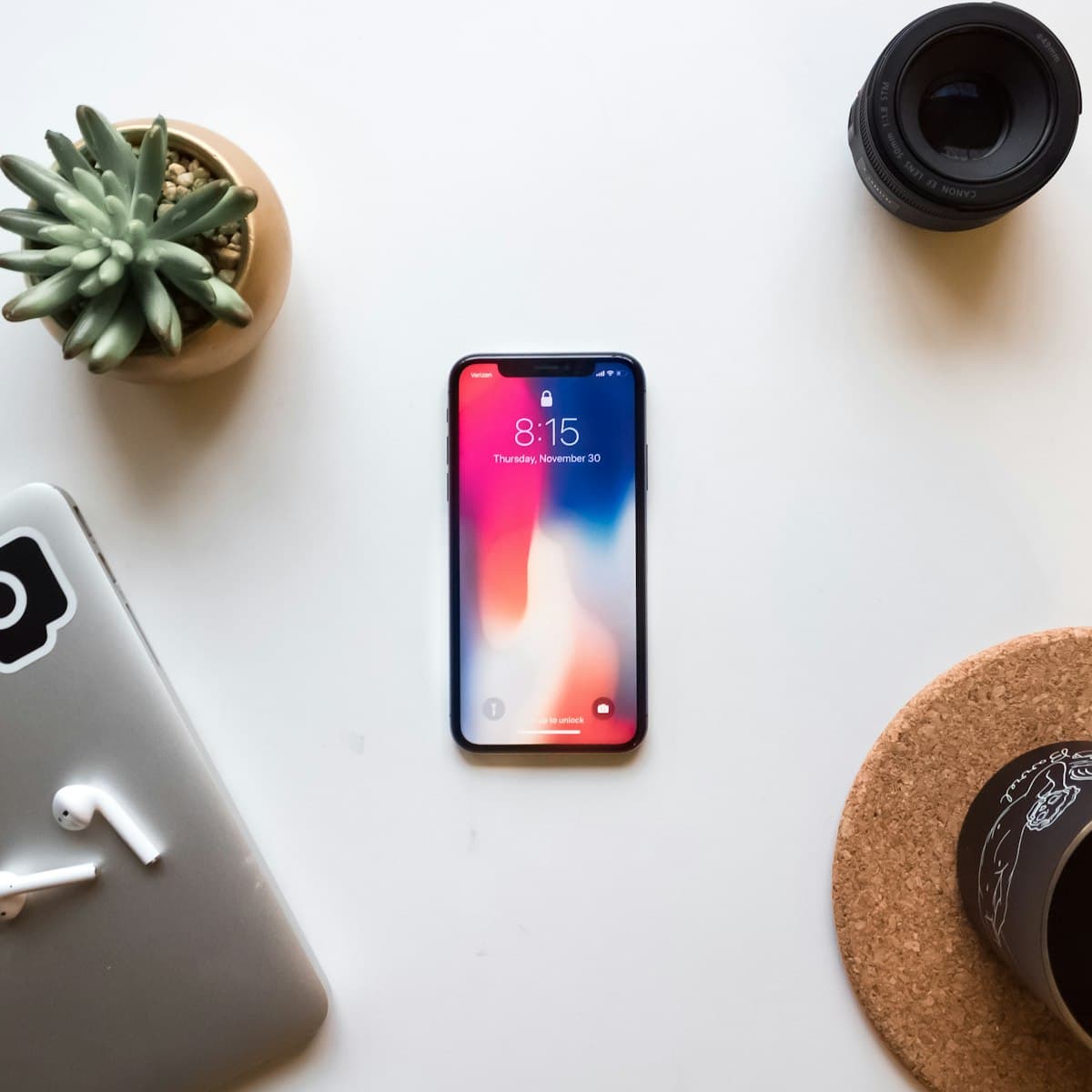
Samsung's Galaxy S25 Ultra doesn't just iterate — it reinvents. After spending 30 days testing this phone across Tokyo, Barcelona, and New York City, shooting over 2,000 photos and dozens of hours of video, one thing is abundantly clear: Samsung has built the most versatile camera system ever crammed into a smartphone.
#Hardware: The 200MP Sensor Revolution
The headline spec is the completely redesigned 200MP primary sensor. Samsung ditched the previous ISOCELL HP2 for the new ISOCELL HP5 — a sensor that's 15% larger and captures 35% more light per pixel through improved micro-lens architecture.
What's Actually New in the Sensor Stack
The full camera stack looks like this:
- Primary: 200MP ISOCELL HP5 (1/1.3", f/1.7, OIS)
- Ultrawide: 50MP (f/2.2, 120° FOV, autofocus)
- Telephoto: 50MP 3x optical (f/2.4)
- Periscope: 50MP 5x optical (f/3.4, OIS)
The most underrated upgrade is the new ultrawide — it finally has autofocus, making it genuinely useful for macro photography. Samsung listened to users who complained about the fixed-focus ultrawide for years.
The 5x Periscope Zoom — Worth the Wait?
Absolutely. The 5x periscope lens produces images that are genuinely sharp enough to print. At 10x digital zoom, details remain remarkably clean thanks to Samsung's new AI upscaling model baked into the ISP. Beyond 10x, things deteriorate quickly — but that's the reality for every phone on the market.
#Software: ProVisual Engine 2.0
Samsung completely rewrote their image processing pipeline for this generation. The new ProVisual Engine 2.0 takes a fundamentally different approach to computational photography.
Nightography Gets a Complete Rewrite
The biggest improvement is in low light. Previous Samsung flagships tended to crush shadows and over-sharpen night images, producing that distinctive "Samsung look" that divided enthusiasts. The S25 Ultra takes a much more conservative approach — shadows retain detail, noise is handled intelligently rather than brutally, and skin tones look natural even in mixed artificial lighting.
AI Scene Detection — Smarter or Just More Aggressive?
Samsung's scene optimizer now identifies over 60 scene types, up from 30. In practice, it's noticeably more subtle than before. Food photography no longer gets the nuclear saturation treatment. Landscape shots aren't artificially over-sharpened. Samsung seems to have finally learned that "better processing" doesn't always mean "more processing."
#Real-World Results: Tokyo, Barcelona, and New York
We deliberately tested in three cities with drastically different lighting conditions: the neon-drenched nights of Shibuya, the golden Mediterranean light of the Gothic Quarter, and the harsh shadows of Manhattan's steel canyons.
Daylight Performance
In good light, the S25 Ultra is extraordinary. The 200MP mode captures detail that borders on absurd — you can crop into a skyline shot and read store signs across the street. The default 12.5MP pixel-binned output strikes an excellent balance: files are manageable, dynamic range is wide, and colors are natural with just enough punch.
Night and Low Light
This is where the S25 Ultra pulls decisively ahead of the competition. Night Mode activations are faster, exposure times are shorter, and the results look less processed. The ultrawide camera in particular shines at night — literally — producing usable images in scenes where previous generations would return a muddy mess.
Video and Stabilization
8K video capture is now genuinely usable thanks to improved thermal management. The Snapdragon 8 Elite chip runs cooler, which means you can record 8K for over 15 minutes without the phone throttling. Stabilization at 4K60 is outstanding — walk-and-talk footage looks gimbal-smooth.
#S25 Ultra vs iPhone 16 Pro Max: The Final Shootout
The eternal rivalry continues. In our blind test of 100 comparison photos, the S25 Ultra won 58% of daylight scenes and a commanding 72% of night scenes. The iPhone 16 Pro Max still edges ahead in video stabilization and skin tone accuracy for portraits. Your choice ultimately depends on whether you prioritize versatility and zoom (Samsung) or consistency and video (Apple).
#Verdict
The Galaxy S25 Ultra is the best camera phone Samsung has ever made, and arguably the best camera phone available today. The 200MP sensor, the rewritten ProVisual Engine, and the excellent 5x periscope combine into a system that handles everything from quick snapshots to serious photo projects with equal confidence. If you care about smartphone photography, this is the phone to beat in 2026.
Lazy Tech Talk Newsletter
Stay ahead — weekly AI & dev guides, zero noise →
Harit Narke
Senior SDET · Editor-in-Chief
Senior Software Development Engineer in Test with 10+ years in software engineering. Covers AI developer tools, agentic workflows, and emerging technology with engineering-first rigour. Testing claims, not taking them at face value.
RESPECTS
Submit your respect if this protocol was helpful.
COMMUNICATIONS
No communications recorded in this log.