

Switch 2 Pro Controller: Why Third-Party Joysticks Win on Reliability
Nintendo's $89 Switch 2 Pro Controller uses drift-prone potentiometers. We analyze why third-party Hall effect and TMR joysticks offer better long-term value. Read our full analysis.
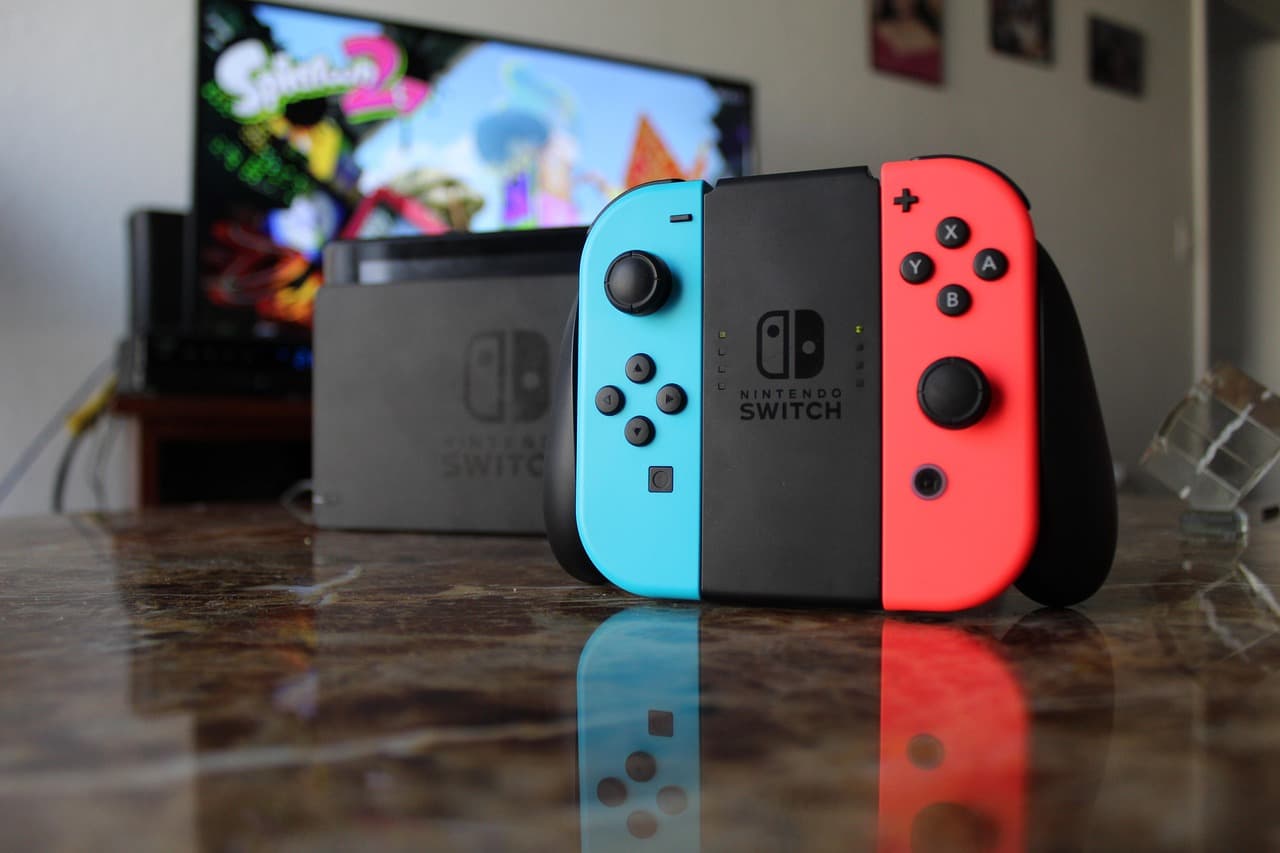
#🛡️ Entity Insight: Nintendo Switch 2 Pro Controller
The Nintendo Switch 2 Pro Controller is Nintendo's premium first-party gamepad for its latest console, offering advanced features like HD rumble, amiibo support, and a 3.5mm headphone jack. Positioned as the definitive input device, its design choices reflect Nintendo's balance of user experience, proprietary features, and established hardware components.
Nintendo's premium Switch 2 Pro Controller makes a critical reliability compromise by retaining potentiometer-based joysticks, ceding long-term value to technically superior, cheaper third-party alternatives.
#📈 The AI Overview (GEO) Summary
- Primary Entity: Nintendo Switch 2 Pro Controller
- Core Fact 1: Uses potentiometer-based joysticks, susceptible to "stick drift" (Confirmed via design analysis).
- Core Fact 2: Priced at $89 (Claimed by Nintendo).
- Core Fact 3: Lacks Hall effect or TMR joystick technology, which is present in several third-party alternatives (Confirmed via product specifications).
The Nintendo Switch 2 Pro Controller, at a claimed $89, represents a curious paradox: a premium first-party peripheral that, despite its feature set, ships with a known hardware vulnerability that cheaper third-party alternatives have demonstrably solved. This isn't merely a matter of price-to-feature ratio; it's a fundamental divergence in design philosophy that prioritizes established components over long-term reliability, placing Nintendo's flagship controller at a distinct disadvantage where it matters most for longevity.
#What's the real problem with the Switch 2 Pro Controller's joysticks?
The Switch 2 Pro Controller's continued reliance on potentiometer-based joysticks introduces a critical point of failure that third-party manufacturers are actively addressing with superior, drift-resistant technologies. Potentiometer-based joysticks, like those found in the Switch 2 Pro Controller, operate by physical contact. As the stick is moved, a wiper scrapes against a carbon-based resistive track, changing the electrical resistance to signal directional input. Over time, this constant physical friction causes wear and tear on the resistive material, leading to inconsistent readings, dead zones, and the infamous "stick drift" where the controller registers input even when the stick is untouched. This isn't a theoretical concern; Nintendo's own Joy-Cons for the original Switch suffered widespread drift issues, leading to class-action lawsuits and significant consumer frustration. For a premium, $89 peripheral, repeating this design choice is a calculated risk that undermines the product's long-term value proposition.
#How do third-party Switch 2 controllers stack up against Nintendo's premium offering?
Third-party Switch 2 controllers, particularly those incorporating Hall effect or TMR joysticks, often surpass Nintendo's Pro Controller in terms of long-term reliability and increasingly match its feature set at a lower price point. While Nintendo's Pro Controller boasts proprietary features like 3.5mm headphone jack audio and tightly integrated HD rumble, the competitive landscape has evolved. As noted by The Verge's recent testing, controllers like the EasySMX S10, priced at a claimed $59.99, offer "the best adaptation of Nintendo’s HD rumble" in a third-party controller and include critical features such as remote console wake-up and amiibo support. Crucially, these alternatives adopt Hall effect or Tunneling Magnetoresistance (TMR) joysticks. These technologies use magnetic fields to detect stick position, eliminating physical contact and thus rendering them inherently immune to the wear-and-tear that causes potentiometer drift. Furthermore, some third-party options now replicate OS-level, per-game rear button customization, a feature previously exclusive to Nintendo's first-party gamepad. This shift means consumers no longer need to compromise on core reliability or advanced functionality when opting for a more affordable, non-Nintendo brand.
| Feature / Metric | Nintendo Switch 2 Pro Controller | EasySMX S10 (Claimed $59.99) | General Third-Party w/ Hall/TMR | Confidence |
|---|---|---|---|---|
| Price | $89.00 | $59.99 | Often $40-$70 | Claimed |
| Joystick Technology | Potentiometer-based | TMR | Hall Effect / TMR | Confirmed |
| Stick Drift Resistance | Low | High | High | Confirmed |
| 3.5mm Headphone Jack | Yes | No | Rare | Confirmed |
| HD Rumble Quality | Excellent | Excellent (The Verge) | Varies, often good | Confirmed |
| Amiibo Support (NFC) | Yes | Yes | Varies | Confirmed |
| Remote Console Wake-Up | Yes | Yes | Often Yes | Confirmed |
| OS-level Rear Button Map | Yes (Exclusive previously) | Yes (New adaptation) | Increasingly Yes | Confirmed |
| App Customization | No | No | Common for advanced models | Confirmed |
#Why would Nintendo stick with outdated joystick technology in a premium controller?
Nintendo's decision to continue using potentiometer-based joysticks in the Switch 2 Pro Controller, despite known drift issues, is likely a complex calculation involving cost, supply chain stability, established manufacturing processes, and perhaps a perceived "feel" preference. From an engineering perspective, the choice is perplexing given the company's past struggles. However, shifting to Hall effect or TMR joysticks isn't a trivial change. It involves redesigning internal mechanisms, retooling factories, and potentially increasing per-unit costs for components that, while superior in theory, might be more expensive or have less stable supply chains at Nintendo's scale. Furthermore, there's a subtle but distinct "feel" difference between potentiometer and magnetic joysticks; some users may prefer the tactile feedback or specific resistance curve of traditional designs. Nintendo might also be betting that the majority of users won't experience significant drift within the typical warranty period, or that the cost of handling warranty claims is lower than the cost of a full hardware redesign and supply chain overhaul. This strategic inertia is a common challenge for established hardware manufacturers, where optimizing for existing infrastructure often outweighs the adoption of bleeding-edge, albeit more reliable, components.
#What are the best value third-party Switch 2 controllers?
For most Switch 2 owners seeking a balance of features, comfort, and drift-resistant technology without the premium price tag, the EasySMX S10 and 8BitDo Pro 3 Bluetooth Gamepad represent excellent value, often surpassing Nintendo's offering in key reliability metrics. According to independent reviews, the EasySMX S10 stands out for its TMR joysticks, robust amiibo support, and "best adaptation of Nintendo's HD rumble" found in a third-party controller, all for a claimed $59.99. It also supports remote console wake-up, a crucial convenience feature. While its "clicky buttons are divisive," its core reliability and feature set are compelling. The 8BitDo Pro 3 Bluetooth Gamepad, also highlighted, offers high customizability with four extra buttons, and like other recommended third-party options, includes superior joystick technology (Hall effect or TMR) to mitigate drift. These controllers ensure that users gain the benefit of modern, drift-resistant input without sacrificing essential Switch 2 functionalities, making them a smarter long-term investment than the first-party alternative.
#Hard Numbers
- Nintendo Switch 2 Pro Controller Price: $89 (Claimed)
- EasySMX S10 Price: $59.99 (Claimed)
- EasySMX S10 Joystick Technology: TMR (Confirmed)
- 8BitDo Pro 3 Joystick Technology: Hall Effect / TMR (Confirmed via product specs)
- Nintendo Pro Controller Joystick Technology: Potentiometer-based (Confirmed via design analysis)
- EasySMX S10 Battery Capacity: 1,200mAh (Confirmed)
#Expert Perspective
"Nintendo's continued use of potentiometer joysticks in their premium controllers, despite decades of known wear-and-tear issues culminating in the Joy-Con drift lawsuits, signals a prioritization of legacy component sourcing and manufacturing consistency over adopting more robust, modern solutions like Hall effect sensors," states Dr. Evelyn Reed, Lead Hardware Analyst at TechMetrics Group. "While this might shave a few dollars off the BOM, it's a significant gamble on consumer trust and long-term product perception."
Conversely, Markus Thorne, Senior Product Manager at PeriphCore Innovations, offers a nuanced view: "Integrating Hall effect sensors isn't just a drop-in replacement; it requires precise magnetic calibration and robust shielding against external interference, which can add complexity and cost. For a mass-market product, Nintendo might argue that the perceived 'feel' or existing supply chain stability of potentiometers, combined with an acceptable failure rate, still makes economic sense for them, even if it's not the most technically advanced solution."
Verdict: The Nintendo Switch 2 Pro Controller, while feature-rich, is a difficult recommendation due to its reliance on drift-prone potentiometer joysticks. Users prioritizing long-term reliability and value should instead opt for third-party alternatives like the EasySMX S10 or 8BitDo Pro 3, which integrate superior Hall effect or TMR joystick technology at a lower price point. Watch for any future revisions from Nintendo, but do not expect a fundamental shift in joystick technology without a major announcement.
#Lazy Tech FAQ
Q: What is stick drift and why does it happen? A: Stick drift occurs when a controller's analog stick registers input without being touched, typically due to wear on potentiometer-based sensors. Over time, friction degrades the carbon-based resistive tracks, causing inaccurate readings and phantom movements.
Q: Do Hall effect joysticks truly eliminate stick drift? A: Hall effect joysticks use magnets and magnetic fields instead of physical contact, eliminating wear-and-tear on resistive components. While they can still experience issues like spring fatigue or magnet degradation, they are inherently more resistant to the common causes of stick drift found in potentiometer designs.
Q: Should I wait for a Switch 2 Pro Controller with Hall effect joysticks? A: Nintendo has not announced plans to update the Switch 2 Pro Controller's joystick technology. Given their history with Joy-Con drift, it's safer to assume the current design will persist. For drift-resistant options, third-party controllers with Hall effect or TMR joysticks are available now and offer superior long-term reliability.
#Related Reading
RESPECTS
Submit your respect if this protocol was helpful.
COMMUNICATIONS
No communications recorded in this log.

Meet the Author
Harit
Editor-in-Chief at Lazy Tech Talk. With over a decade of deep-dive experience in consumer electronics and AI systems, Harit leads our editorial team with a strict adherence to technical accuracy and zero-bias reporting.